
Burn the Timeline
Womanhood, Widowhood, and the Courage to Begin Again
By Shawn Dinneen, Founder of HeartStrings Journals
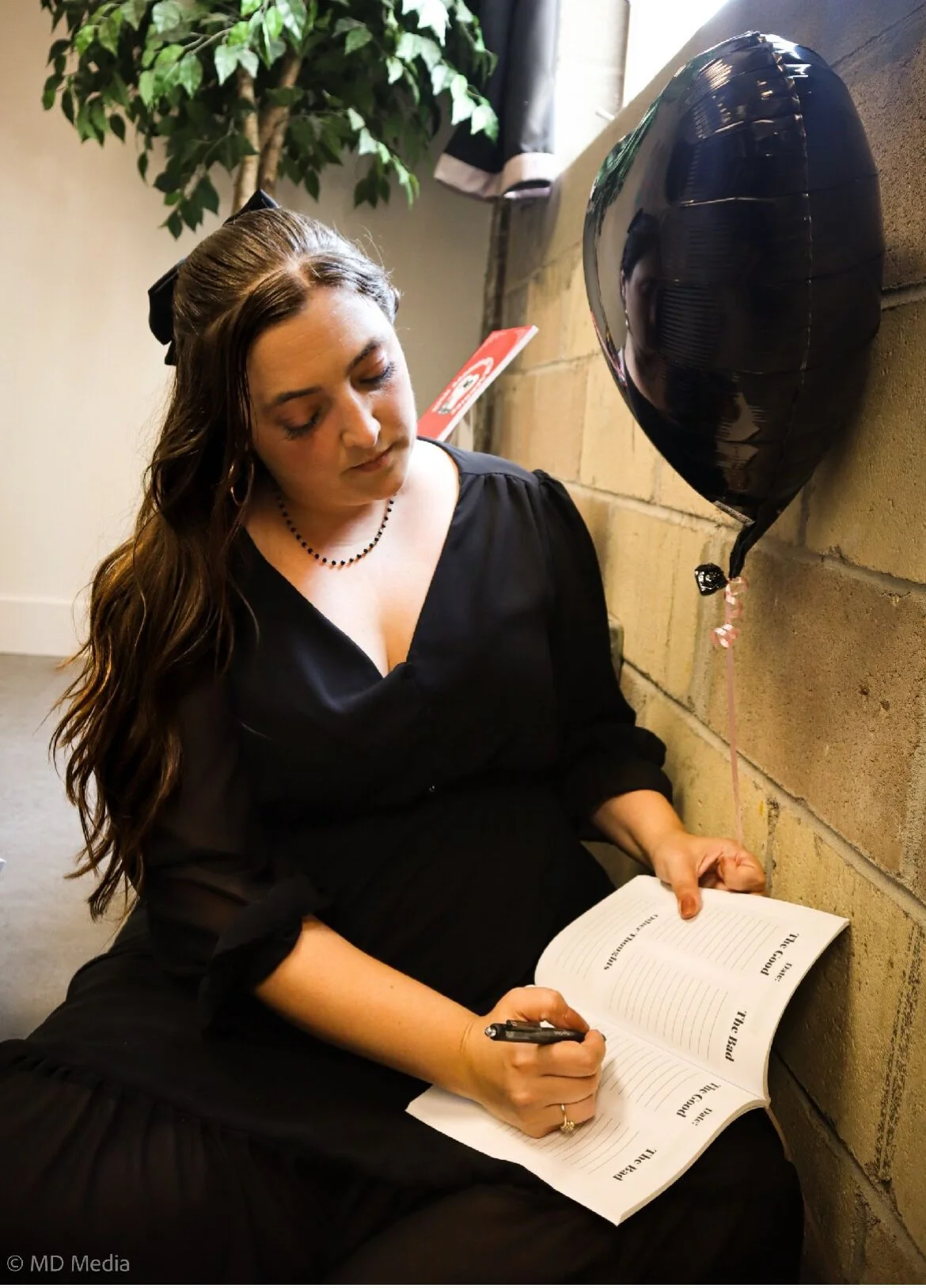
Isn’t being a woman hard enough on its own?
From the time we are girls, the timeline is already drafted for us. Be kind, but not too loud. Be ambitious, but not intimidating. Find love. Build a home. Have the baby before the clock runs out. Keep the body tight. Keep the marriage healthy. Keep everyone else okay.
We are taught to spin gracefully, beautifully, on an axis built from expectation.
I was on track once, in a relationship that was toxic but could have “checked the boxes.” It wasn’t fine, not to anyone. It was tumultuous, exhausting, sometimes terrifying. But I was insecure, and I didn’t yet know my worth. At the time, I thought it might be all I was ever going to get. There could have been a ring. There probably would have been children. And we all would have been miserable.
I chose me instead. I walked away. I rebuilt. I found my voice. I found my confidence. I found myself. And that self-discovery led me to him. The person who made possibility feel expansive instead of performative. With him, love was real. It was not perfect but it felt like a joy I had never known.
And then grief hit.
He died of an overdose. The future we were building evaporated. And suddenly, everything I thought I understood about timelines, love, and expectation was gone. Again.
Widowhood as a woman is not simply the absence of a person. It is the unraveling of a shared identity. You were a partner. A “we.” You were part of a future with plans, with imagined milestones. Even the mundane held meaning because it was shared.
When that person dies, the world does not continue spinning on the same axis.
Everything in you (and often everyone around you) will whisper the same message: power through. Get back to normal. Be strong. You’ve always been strong.
But here is the truth no one prepares you for:
Your normal is gone.
And it is not coming back.
There is a strange violence in trying to force yourself back into a life that no longer fits. You cannot squeeze yourself into the shape you were before. The woman you were existed in the context of a shared life. But that context has changed.
And so have you.
Grief changes your nervous system. It changes your priorities. It changes your tolerance for nonsense. It changes your body. It changes your friendships. It changes the way you look at couples in grocery stores and pregnant women in waiting rooms. It changes how you think about time.
It changes your world’s axis completely.
The most radical thing you can do as a grieving woman is not to “bounce back.” It is to pause. To sit in the wreckage long enough to ask yourself:
Who am I now?
Not who I was before.
Not who everyone else needs me to be.
Not who fits neatly into society’s timeline.
But who I am? In this body, in this pain, in this season.
Widowhood strips away illusion. It exposes what was chosen and what was inherited. It forces you to confront the expectations you were carrying simply because you were told to. Marriage by a certain age. Motherhood by a certain year. Career stability by a certain milestone.
And when the future you planned evaporates you realize something terrifying and powerful: You get to decide.
You get to choose the degree of your new axis.
How fast you spin.
What you carry forward.
What no longer serves you.
You get to question whether the timeline was ever truly yours.
This doesn’t mean grief becomes easier. It doesn’t mean you stop missing the life you had, the life you envisioned, or the person who made it meaningful. There will always be a piece missing, a phantom limb of love that aches in quiet moments.
But you are not solely made up of what you have lost. You have agency.
I had to look inward and reflect: what patterns brought me here? What choices kept leading me down paths I didn’t want? What failures could I own, and which were not mine to bear? Owning those truths, the messy and uncomfortable ones was part of reclaiming my life.
Finding yourself again is not about replacing what was. It is about integrating it. It is about honoring who you were with them while allowing space for who you are becoming without them. And that act of becoming may surprise you.
You may find your voice is stronger.
You may find your boundaries are sharper.
You may find you care less about pleasing and more about peace.
You may find that survival cracked you open in ways you never would have chosen but that you also would not undo.
Womanhood has always required resilience.
Widowhood demands reinvention.
And reinvention is not betrayal.
It is not disloyal to build a life that looks different than the one you planned. It is not disrespectful to laugh again, to love again, to travel alone, to move cities, to change careers, to choose motherhood in a different way or not at all.
It is not selfish to rebuild.
It is survival.
Your world may never spin the way it once did. But you get to decide how it spins now.
The woman rebuilding her life does not erase the woman who shattered, she carries her forward with tenderness and intention. There is a quiet authority in that: in knowing you have been broken, and choosing in your own time, on your own terms, with reflection, with grief, with anger and joy intertwined to shape what comes next.
Timelines are bullshit. Expectations are bullshit.
The playbook we were handed as little girls? Trash.
I have walked through trauma, abuse, grief, love, and loss, and I will not shrink for anyone. I will live messy, imperfect, real, and on the axis that is mine. My grief, my choices, my life, my joy, they belong to me, and I will honor them fully. So should you.
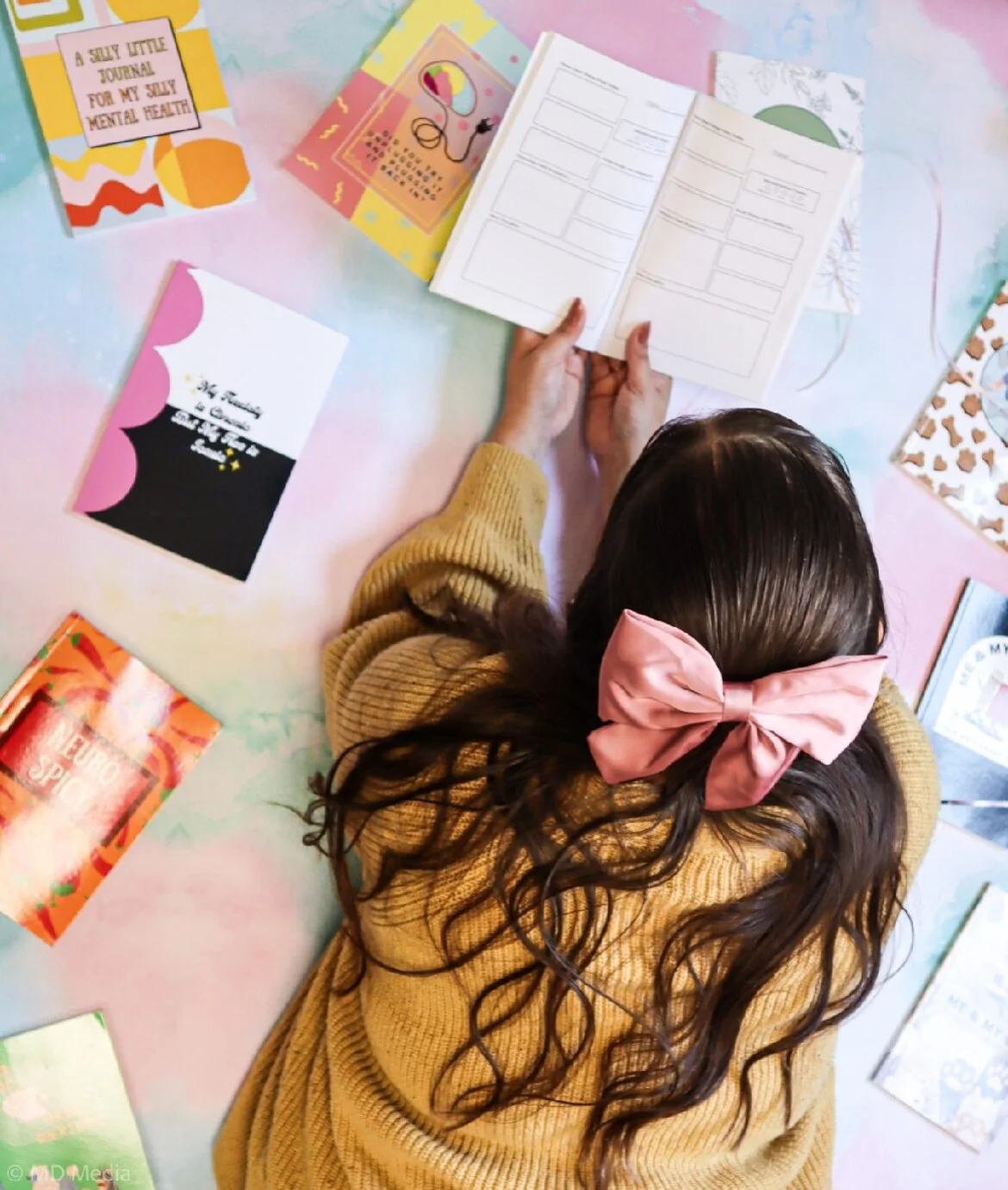
Journal Prompts: Owning Your Axis
Who am I now, without the timelines and expectations I’ve been handed?
Which parts of my past relationships or life choices do I need to honor and which do I need to release?
What do I want my life to look like if no one else’s approval matters?
Where do I feel anger, grief, or resistance to societal milestones?
What does it mean to rebuild myself intentionally, on my own terms?
Shawn Dinneen is the founder of HeartStrings Journals and a contributing writer for Get Griefy Magazine. After losing her fiancé, John, to an overdose in 2022, Shawn has dedicated her work to creating safe spaces for conversations around grief, resilience, and mental health. Through writing, workshops, and prompted journals, she helps others navigate loss and find healing in authentic, personal ways.
Instagram: @Heart_StringsJournals
