
Get Griefy BLog
*
Get Griefy BLog *
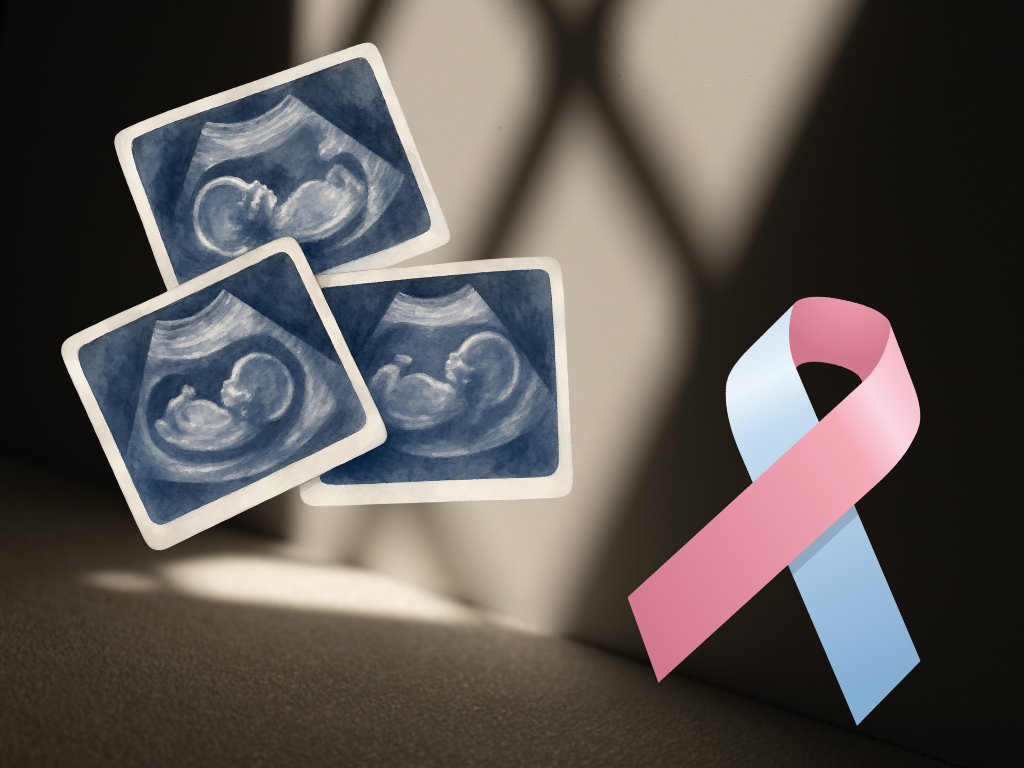
Pregnancy and Infant Loss Awareness Month
October carries a weight and tenderness that’s hard to explain unless you’ve lived it. It’s Pregnancy and Infant Loss Awareness Month—a time to remember babies who left us too soon, to break the silence around these losses, and to remind grieving parents that they are not alone.

Making Grief Grool (Cool + Griefy)
I desperately searched for other people who were ‘like me’. After sitting with the girls who ate their feelings for a bit, and skirting around the JV jocks, burnouts, and sexually active band geeks, I decided to create my own table for the greatest people you’ll ever meet.
The September Dual-Lens
Every September, the world turns its attention to Suicide Prevention and Awareness Month. Informational posts fill social media feeds, hotlines are shared, and important conversations about mental health take center stage.
For many, September is a gentle reminder to check in on loved ones. But for those of us who have lost someone to suicide, September holds a very different, dual-lens reality. It isn’t just an awareness month on a calendar; it is a quiet, heavy landing pad for memory, grief, and the stark reality of what was lost.
For me, September will always mark the space where everything shifted. On September 21, 2018 - just one week before his 60th birthday - I lost my dad to suicide.

We Gave it Time
On 9/11/2026 that statement—“Give it time”—feels like a challenge. A guiding light that we have followed for 25 years since the terrorist attacks on 9/11, which killed and injured thousands of innocent people in New York, Pennsylvania, and Virginia.
Why One Therapist Is Choosing Not to Follow the Lindsay Clancy Trial
For nearly 15 years, I worked as a therapist specializing in postpartum mental health. I attended one of Postpartum Support International's early large-scale training on perinatal mood disorders. I know more than I ever wanted to know about postpartum psychosis. I also know what psychosis looks like when it enters the life of someone you love, because my best friend died at 41 after six months of a debilitating mental health crisis that included psychosis.
So I'm not really following the trial.

Hayden Panettiere’s Death is an Example of What We’re So Afraid to Address
Hayden needed help. She has for a while…and she didn’t get it in time. I can’t say there’s a specific person at fault for the circumstances that lead to her untimely death, because of course I don’t know the mechanics of her inner circle, and what her life looked like day-to-day. Yet I know what a person trying not to be in pain looks like. I’ve seen that person in my own mirror. I saw that person every time I looked at my father in the last few months of his life.
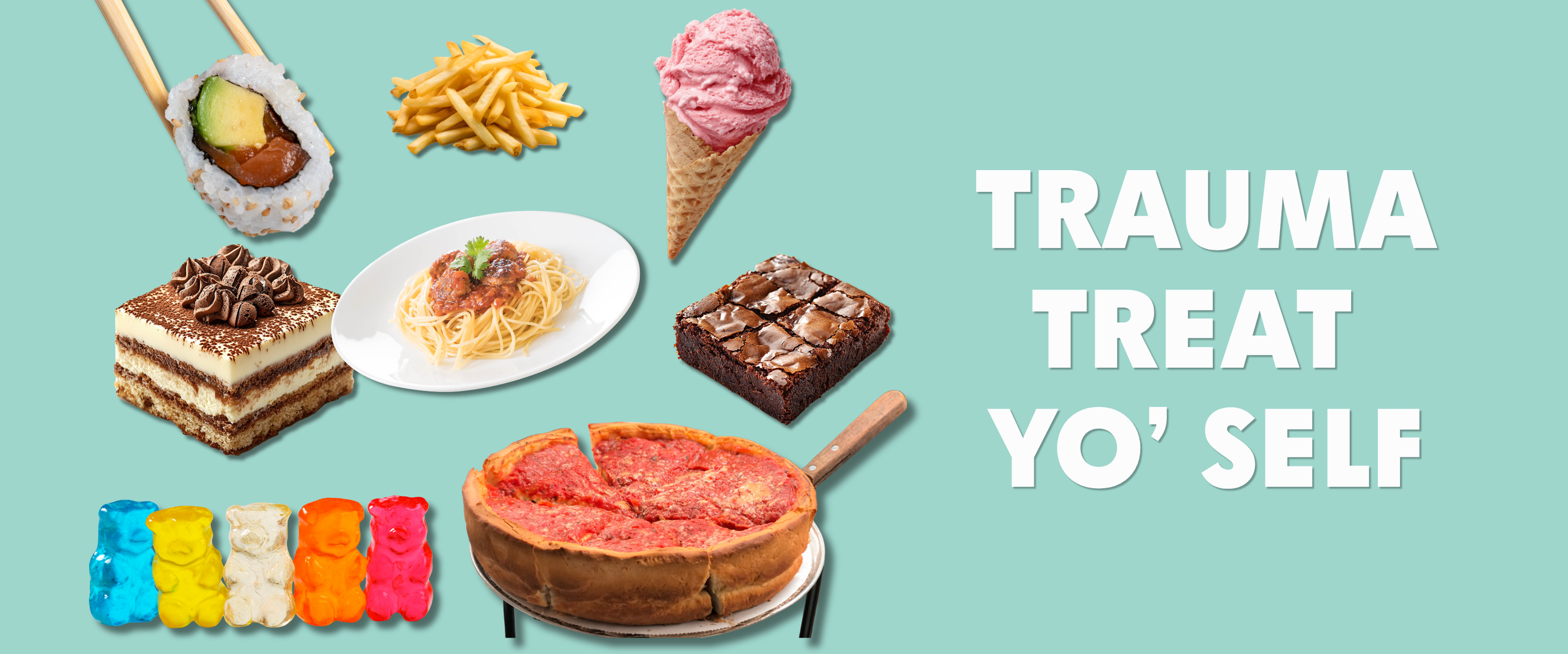
Origin and Lore of the Trauma Treat
The black-and-white checkered floor hasn’t changed in decades, and neither has their recipe for cheese fries. Everyone knows the last three or four bites are the prime real estate. After soaking in that salty liquid cheese, they’re quite literally the closest thing to heaven on earth.
“Have you thought about adopting or fostering?"
The question I loathe whenever people found out that I was losing pregnancies, and especially after I lost my final pregnancy in March of 2025. After dealing with infertility for years, that question had run through my mind on more than multiple occasions and it was part of my Roman Empire.

The Messy Art of Looking on the Bright Side

Crying for Clicks
My question now is, why is #grief trending? Why such a sudden influx of grief accounts that are growing so rapidly? Maybe it’s because we’ve exposed a weakness in our chain, maybe we aren’t addressing the needs of the people. Are grief-fluencers filling a gap left by traditional support systems and communities?

The Night Before Four
If you aren’t familiar with my grief journey, I feel the need to share how deeply grief and joy, death and life, are woven into my story. It is no coincidence, I think, that I went on to become the Editor-in-Chief of a grief magazine built entirely around finding joy after loss. I didn’t choose that mission from a place of theory. I chose it because I lived it — and I am still living it.
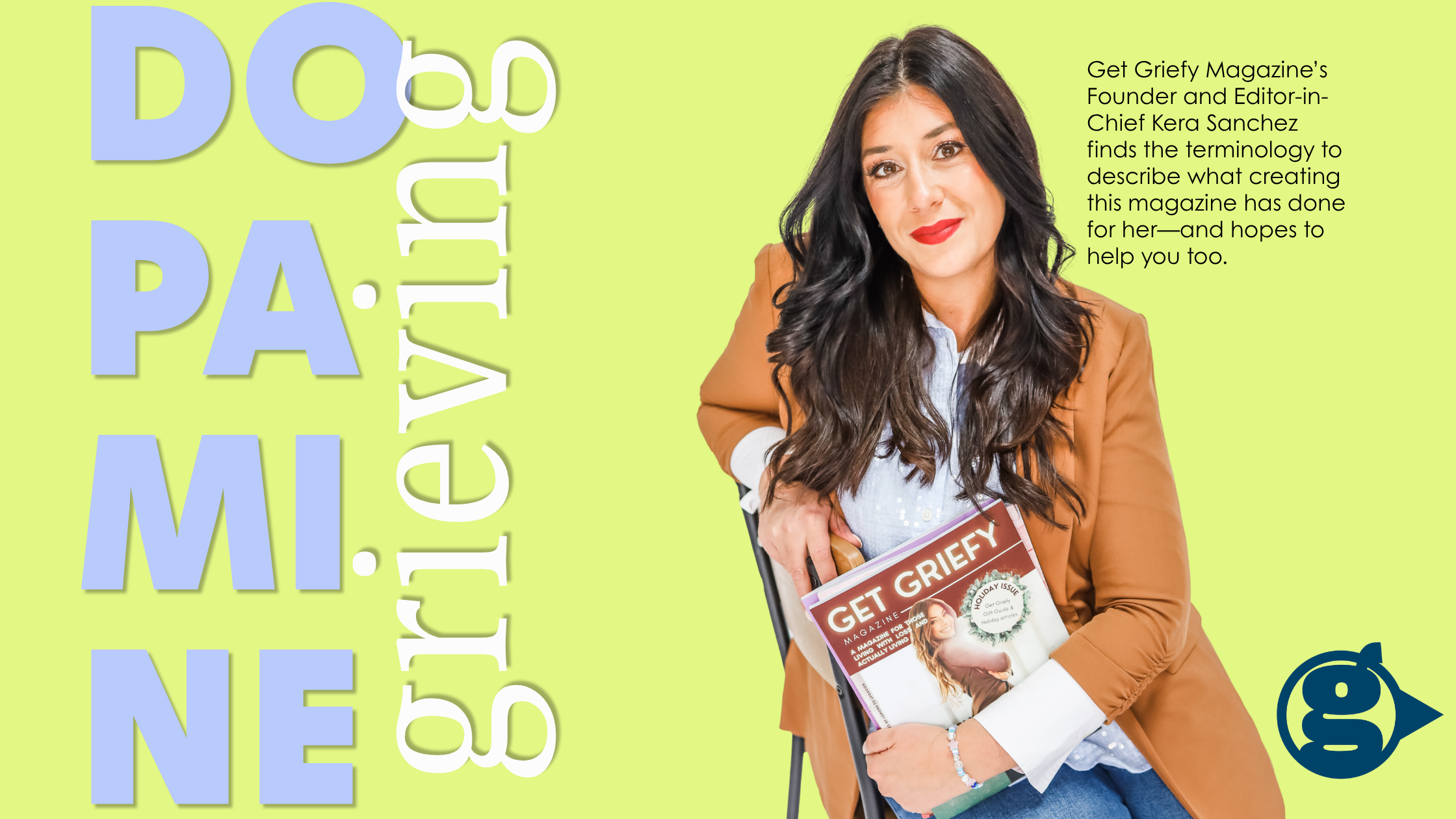
We've Already Been Dopamine Grieving. I Just Gave It a Name.
Let me introduce you to a term I’ve been sitting with, living out loud, and quietly building for the past two years — and I think it’s time I put a name to it officially.
Dopamine grieving.

I Scheduled a Meeting on My Mom's Death Date — and I Didn't Even Notice
The more I talk about losing her, the more I find comfort not in mourning that she’s gone — but in living like her. The day she died is a bookend. The way she lived is the story. And that story? I can carry it into every future chapter of my life, if I let myself.

A Military Acronym We All Carry
Inside TAPS' 32nd Annual National Military Survivor Seminar & Good Grief Camp— a Memorial day weekend tradition where remembrance, resilience, and room for joy all share a table.
Burn the Timeline

What No One Tells You About Graduation Day
I looked out at the stadium — hundreds, if not thousands, of people packed in with balloons, flowers, and a buzz of collective pride — and I saw something I had never noticed before. I worked at a school with a large population of immigrant families, and for many, this was the first person in their family to graduate high school, the first to prepare to attend college. I had always seen the joy. That day, I saw the grief woven inside it.
What's On Your Mother's Day Heart?
As Mother’s Day approaches, the world fills with messages of celebration—gratitude, flowers, brunch reservations, and reflections on what it means to be celebrated as a mother and to be loved by a mother.
For many… that lands beautifully.
For many others… it doesn’t.
I know how you feel
We’re trying to build a bridge. But grief has taught me something different. No …you don’t. And even more surprisingly sometimes, neither do I.
That’s Why Her Hair’s So Unkempt, It’s Full of Griefy Secrets
My dead ends were chopped off. A new connection was made. All while wearing a cape. Turns out grief and split ends have something in common: you can only ignore them for so long before someone has to help you cut through them.
We’re Not Too Harsh. We’re Too Afraid.
Last week, someone shared the news of a death on social media.
Almost immediately, the comments followed, not about the person who died, not about the life they lived, not even about the grief left behind, but about the word used.
“Dead feels so harsh.”
“Maybe say passed.”
“Couldn’t this have been softer?”
And I found myself wondering: When did honesty about death become the problem?