
Crying for Clicks
Someone poisoned the waterhole. And in the grief-sphere, we all drink from the same spot around here. No, seriously, many of the grief creators we’re connected with here at Get Griefy have felt this unspoken sense of unease with what is happening on “grief-stagram.”

Key players, and pillars, “elders” if you will, have spoken, and made their voices heard. “Crying for Clicks” is, more than a few people have said, and we paraphrase, “morally wrong, harmful, and a risk for the people who have put in the time, energy, and work.” With the sudden increase of grief-fluencers, and the ones who are blowing up fast, it’s fair to question the intention behind showing up like this: why are you doing it? To help yourself process in real time what you’re going through? To build community? To grow a following? To make a profit?

To quote Chris Harrison, “who’s here for the right reasons?”
I know I’ve personally connected with a few up-and-coming influencers in the grief space, telling them flat out that some of their videos were captivating, and that I’d love to talk about working on a piece of content for our magazine and Substack. When that invitation gets met with, “what’s your reach and how many subscribers do you have,” my spidey senses tingle a bit, I’ll admit that, but are the elders being too critical?

One of the biggest messages most grief professionals have in common is that “grief has no timeline, and there’s no wrong way to grieve,” but if that’s what we’re saying with our full chest, that sentiment needs to apply across the FULL spectrum, not just to what’s convenient for their well-established narratives and brands.
TBH, I feel weird about only making this my stream of consciousness, so I asked fellow members of my small business collective for their thoughts, and this is our hot take.
The reality is, grief has evolved a ton in the past few years. It’s as if we went from a society that never talked about it, to one whose algorithm pumps you out twenty new creators the second you click on a single piece of grief content. As we talk about that evolution, Angie Hanson, certified grief coach, author, and founder of Butterflies + Halos, states:

Angie Hanson
“Years ago, grief was often something people carried quietly within their families, faith communities, or close circles of friends. Today, social media has created a space where people can share their stories in real time and connect with others who truly understand their experience. While that visibility can sometimes blur the line between healing and performance, it has also given many grieving people something they desperately need: validation. For better or worse, grief is no longer confined to private spaces, and I believe that has fundamentally changed how we process loss.”

Sundari Malcolm, Grief & Death Doula, Spiritual Guide, Author and Founder of A Healing Doula Academy, adds,
"People now share loss in real time, which can create connection, but also pressure to express it in ways that fit online attention and engagement."
Erin Blechman, Speaker, Certified Grief Educator, and Author of My Unexpected Journey: Reflections After Losing My Son to Suicide, agrees,
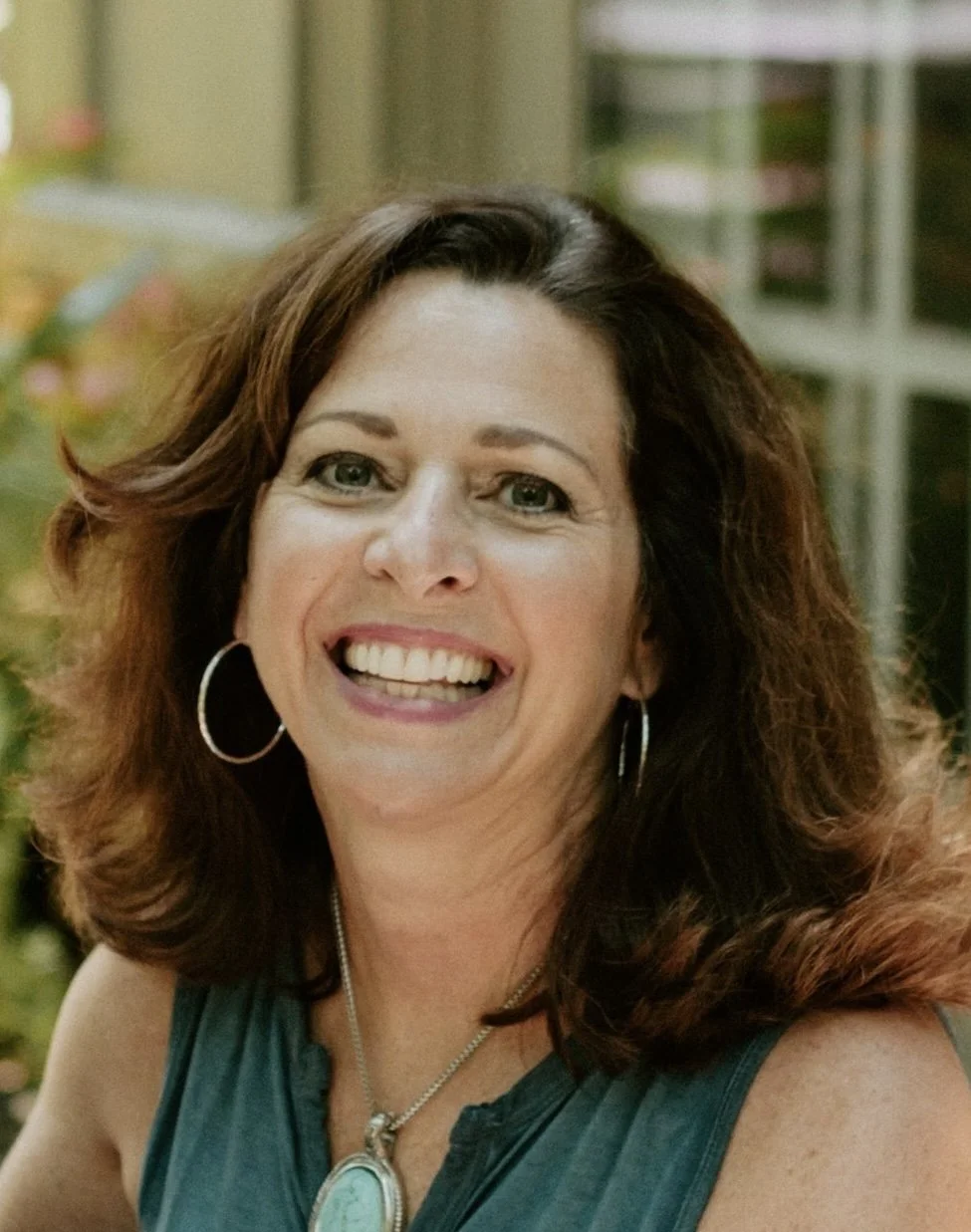
Erin Blechman:
“I think social media has normalized the conversation about loss and grief which is positive. When I lost my son, Max, I didn’t know anything about grief, and I felt all alone. Social media helped me connect with others who were struggling and dealing with the loss of a child, and it helped me realize I wasn’t alone.”
So where is the line between authentic storytelling and turning grief into content? We have to get to the bottom of it. Annah Elizabeth, TEDx speaker, educator, author, and creator of The Five Facets® Philosophy on Healing, starts off strong:
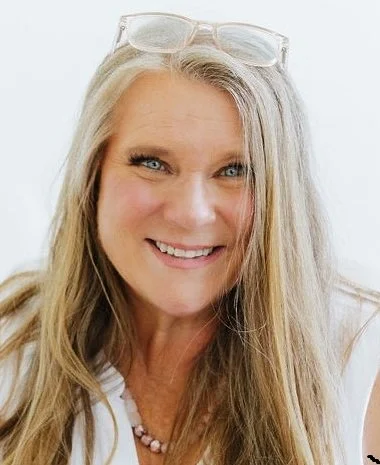
Annah:
“I might ask if there is any one person to determine if and what such a line might be?”
Angie continues with her own self-awareness, “I’ve shared my grief story for years. I’ve written books, created cards, spoken on podcasts, and posted on social media. Does that mean I’ve turned grief into content? Some people might say yes. I would say I’ve turned my pain into purpose. For me, the line is whether the story serves only the storyteller or whether it also serves the people who need to hear it.”
Sundari shoots us straight, “The line is intent and impact. Authentic storytelling is when sharing helps you process, connect, or make meaning, even if others are watching. It tips into ‘content’ when the primary driver becomes attention, engagement, or repetition of the emotional moment for performance rather than processing. The problem is, online, that line is blurry…”
As a grief collective, we have to look at the costs of sharing grief online. What are the potential benefits, and risks, of consuming grief content during a vulnerable period? That’s an important question, especially when the well-being of those who are grieving is on the line.
Erin shares her experience, “When I first connected with other parents who had lost a child on social media, I felt seen and heard. Fairly quickly though, I had to distance myself from some of the pages and accounts because I got sucked into the vortex of suffering. The common bond of child loss connected us, but I needed someone further down the path to offer me hope, encouragement, and support. That’s the challenge of grief support - acknowledging where someone is in their grief, AND offering encouragement, resources, and support to help them integrate the loss into their lives.”
Annah adds, “The potential benefit of grief content is connection and validation. Having been involved in the grief and bereavement space for more than three decades, I am concerned when individuals who are still actively navigating their own grief begin presenting themselves as experts or educators. In those situations, other grievers may unknowingly adopt perspectives, beliefs, or coping strategies that are rooted more in an individual’s unresolved grief than in sustainable healing. This has great potential to reinforce old conditioned patterns, normalize prolonged suffering, or unintentionally delay a person’s ability to discover what genuinely supports their own healing process.”
Sundari, one who is typically nuanced, has this to say, “It can reduce isolation, normalize what you’re feeling, and give language to experiences that are hard to name. Yet, it can intensify emotional overwhelm, create comparison (’am I grieving the right way?’), and keep people stuck in cycles of re-triggering rather than integration.”
My question now is, why is #grief trending? Why such a sudden influx of grief accounts that are growing so rapidly? Maybe it’s because we’ve exposed a weakness in our chain, maybe we aren’t addressing the needs of the people. Are grief-fluencers filling a gap left by traditional support systems and communities?
Sundari leads us with this one, “Many people turn to grief-fluencers because traditional systems (family, workplaces, even some therapy spaces) don’t always know how to hold ongoing, everyday grief. So creators end up filling a real gap: immediate visibility, shared language, and the sense of not being alone in something that can feel isolating. But they don’t replace structured support. They can’t offer containment, continuity, or care boundaries in the way trained support systems can.”
So if there was a gap, and we’re now filling it, why are people up in arms about the monetization aspect? Many trained grief professionals are making a dollar, or heck, hundreds of thousands of dollars on their grief trainings, workshops, tools, communities, and customized AI tools. If they can train a robot and get paid, why can’t someone who makes grief content make a buck? When grief becomes content, who benefits, and at what cost?

Maybe the cost isn’t monetary. At least that’s what Annah believes, “I believe there is a great risk of someone remaining stuck in grief when they enter into the ‘grief as content’ space. When this happens, the content serves neither the content creator or their audience in meaningful and sustainable healing.”
And when grief gets judged by the people who say grief doesn’t have rules, what’s the cost of that? I’ll jump back in to answer that one. I can see some real lines being drawn in the sand in real time in this space, and honestly, there’s a piece of it that feels rooted in competition, jealousy, gatekeeping, and a lack of collaboration. My hope in building this magazine and platform was for everyone in this community to have a place to bring their ideas to the table, and it’s pretty obvious that some people have no interest in that. They’d rather work only with who they deem worthy, or silos. (and honestly, if that’s your vibe, we don’t need ya.)
Annah ends the conversation with this, “This conversation brings to mind an interesting paradox for me, do discussions like ‘Crying for Clicks’ ultimately feed the very algorithms they’re seeking to examine?”
And yeah, she’s right, none of us get to stand outside the thing we’re critiquing. This piece is going up on a platform too, it’ll get shared, maybe someone scrolls past three grief reels to land here. The algorithm doesn’t care if you’re processing or performing, it wants the engagement either way. So maybe the point isn’t drawing a clean line between authentic grief and content, because nobody’s hands are fully clean here, mine included. Maybe it’s asking the harder question, the one Angie already pointed us toward: who is this actually serving? If the honest answer is just you, or just the metrics, that’s worth sitting with. If the answer includes someone who needed to feel a little less alone today, then maybe that’s enough. Grief doesn’t come with a timeline, and it might not come with a clean ethics chart either, but we can still ask each other to be honest about why we’re showing up, and welcome those who have the same value system. Here, we believe grief sucks, life doesn’t have to, and we wish to build a longer table with other grief professionals and creators to provide not only a space of grief and healing, but thriving. Get in loser, we’re Getting Griefy.
Do you want to collaborate with us? We would love to work with other like-minded grief creators, writers, podcasters, builders and more. To learn more about Get Griefy’s Small Business Collective visit, www.getgriefymagazine.com/small-business-collective
More about the Grief Creators mentioned in this article:
Angie Hanson is a certified grief coach, author, and founder of Butterflies + Halos. Her work blends grief education, faith, and lived experience into meaningful resources—cards, words, and community—that remind grievers they don’t have to carry it all alone. butterfliesandhalos.com
Sundari Malcolm, Grief & Death Doula, Spiritual Guide, Author and Founder of A Healing Doula Academy and Talk Death’s 2025 People’s Choice Award Winner for Death Doula of the Year. ahealingdoula.com/a-healing-doula-academy/
Annah Elizabeth is a TEDx speaker, educator, author, and creator of The Five Facets® Philosophy on Healing. Drawing from more than two decades of research, lived experience with profound loss, and work with clients navigating grief, life transitions, and personal growth, she explores the underlying human drivers that shape how people heal, relate, and move forward after life’s most challenging experiences.
Erin Blechman, Speaker, Certified Grief Educator and Author of My Unexpected Journey: Reflections After Losing My Son to Suicide. erinblechman.com
