
I know how you feel

“I know how you feel.”
It’s something most of us have said at some point, often with the best of intentions. It usually comes from a place of wanting to comfort, to connect, to let someone know they’re not alone.
“I know how you feel. My grandmother died.”
“I know how you feel. I watched my friend lose their dad.”
“I know how you feel. I’ve been through loss too.”
And in those moments, we’re trying to build a bridge. But grief has taught me something different. No …you don’t. And even more surprisingly sometimes, neither do I.
When my mom died, my world shifted in a way I couldn’t fully put into words. It was disorienting, heavy, all-consuming. Over time, I learned how to carry it. Not move on but move with it. I began to understand my grief; how it showed up, how it softened, how it surprised me.
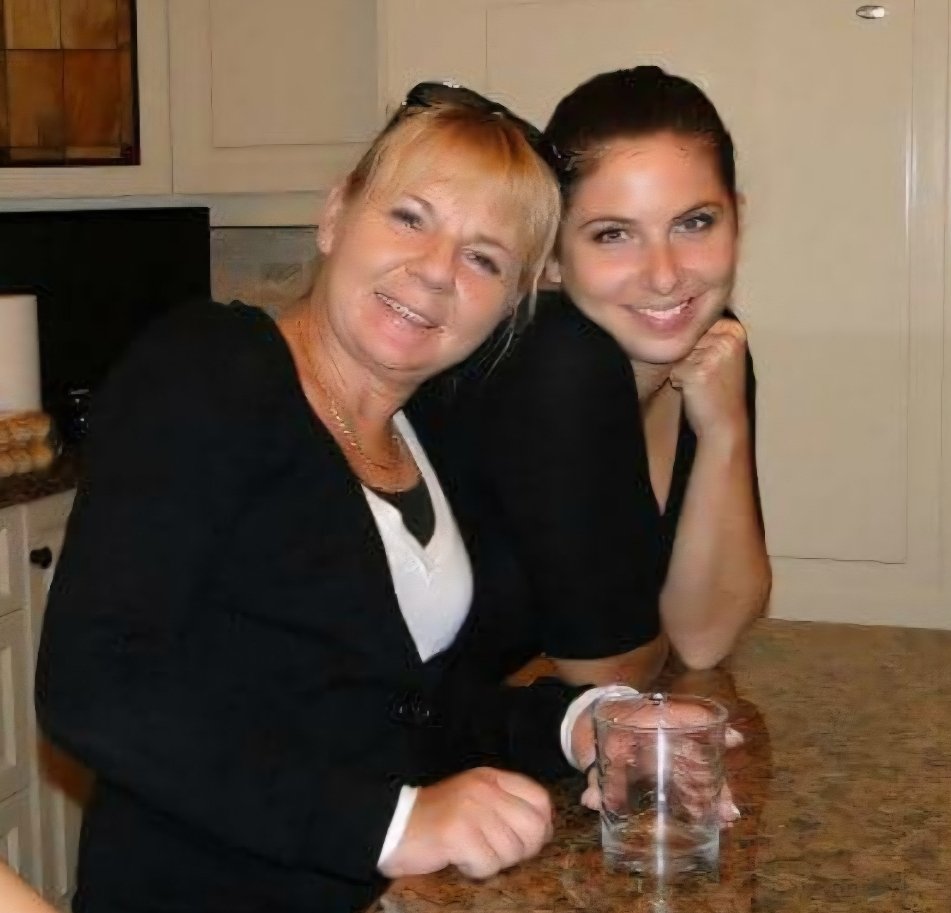
Sasha and Her mom
So when my dad died six years later, I thought it would be easy because at least I knew what to expect. I told myself things like:
“You’ve done this before.”
“You know exactly how this goes.”
“You know exactly how you will feel.”
But I was wrong. Completely wrong. Because this grief didn’t feel the same.
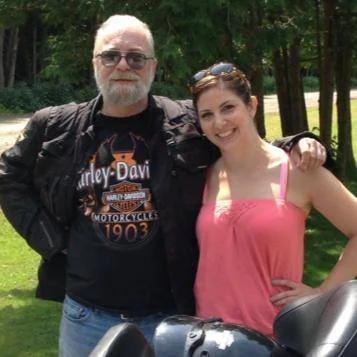
Sahsa and her dad
It wasn’t just the loss. It was the relationship. The role he played in my life. The timing. The version of me that existed when he died versus who I was when my mom died. The layers were different and all the emotions moved differently too. The weight landed in new places.
Even the patterns of grief -the waves, the triggers, the quiet moments - felt unfamiliar.
And that realization shifted something in me.
Grief is not transferable, nor is it comparable. And it is certainly not something we can neatly understand through someone else’s experience or even our own past ones. So when we say, “I know how you feel,” what we may actually be doing (without meaning to) is placing our story onto someone else’s. We’re trying to make their pain fit into something recognizable, something we’ve already processed. But grief doesn’t work like that.
What I have learned instead is the power of saying less and holding more.
Instead of: “I know how you feel.” Maybe it’s: “I can’t fully know how this feels for you, but I’m here.” Or: “I remember what grief felt like for me, but I know this is your own experience.”
Or even just: “This really sucks. I’m so sorry.”
Because the truth is, grief doesn’t need to be matched to be validated - it just needs space.
Space to be messy, space to be different, and space to change… again and again.
If there’s anything my own losses have taught me, it’s this:
Even when grief feels familiar, it is always, somehow, entirely new.
And maybe the most compassionate thing we can offer each other isn’t understanding …but simply showing up, exactly as we are.

About the Author
Sasha Howell is a writer, advocate, and speaker who has dedicated her life to helping others navigate the complexities of grief. After experiencing profound personal loss, including the suicide of her father and the passing of both her parents, Sasha has been open about her journey through heartbreak, healing, and growth. Her work explores how grief and joy can coexist, the ways anxiety intertwines with loss, and the unique challenges of suicide bereavement. She is a co-author of She Grieves and author of Riding the Waves: A Guide to Grieving, a guide and journal series created to support others in processing the many layers of grief. Sasha has also authored a children’s book, Riding the Waves: A Story of Friendship and Feelings, helps young readers understand and talk about big emotions. Through her writing, speaking, and community involvement, Sasha’s mission is to validate grief in all its forms while reminding others that even in sorrow, moments of joy and connection are still possible.
