
The September Dual-Lens
Holding Grief, Milestones, and Suicide Loss
By: Sasha Howell
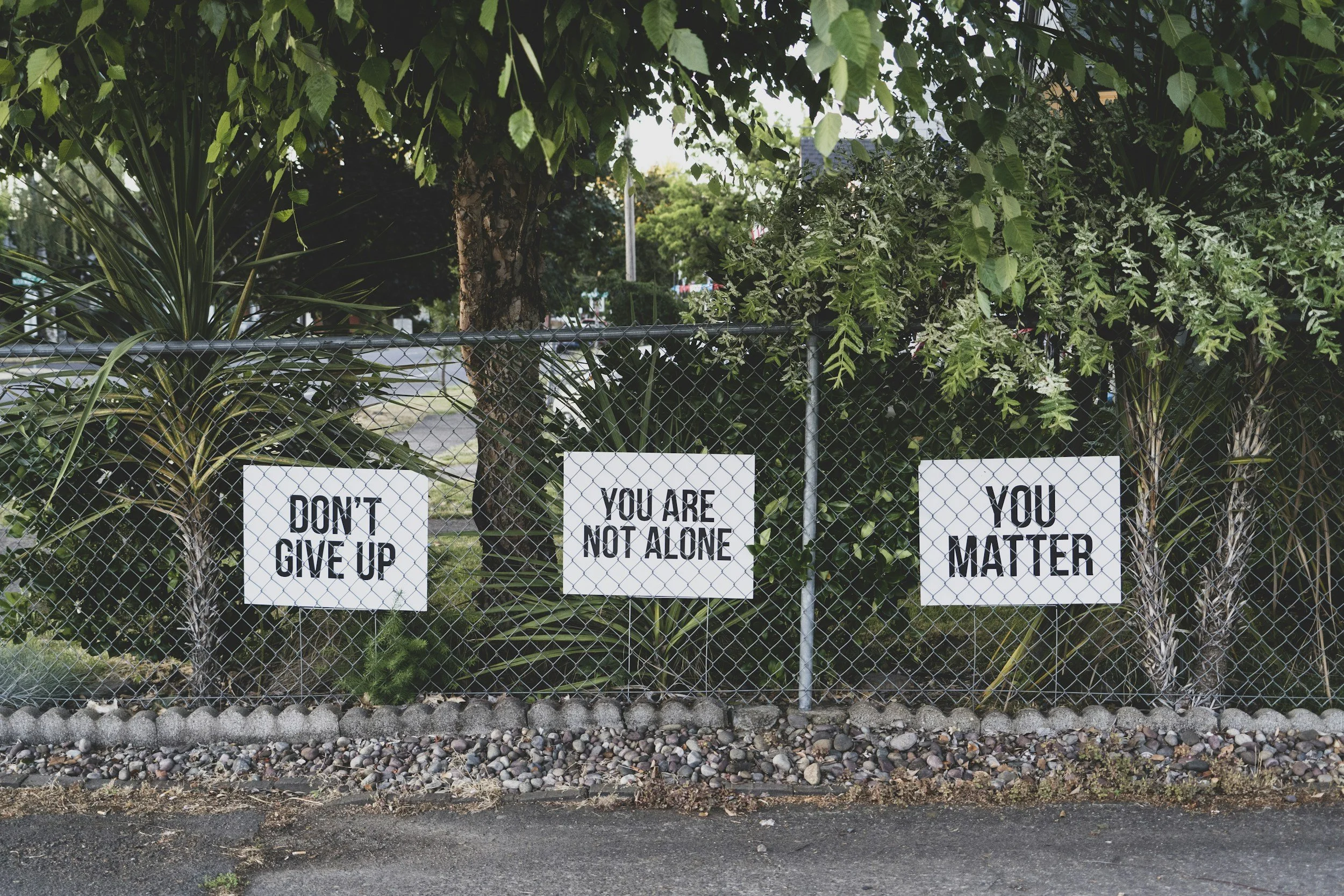
Every September, the world turns its attention to Suicide Prevention and Awareness Month. Informational posts fill social media feeds, hotlines are shared, and important conversations about mental health take center stage.
For many, September is a gentle reminder to check in on loved ones. But for those of us who have lost someone to suicide, September holds a very different, dual-lens reality. It isn’t just an awareness month on a calendar; it is a quiet, heavy landing pad for memory, grief, and the stark reality of what was lost.
For me, September will always mark the space where everything shifted. On September 21, 2018 - just one week before his 60th birthday - I lost my dad to suicide.
Navigating the weeks leading up to his birthday was already meant to be a celebration of a major milestone. Instead, that week became the painful threshold between the life we knew and a reality defined by profound loss. Holding both an awareness month and a deeply personal loss at the exact same time is a heavy burden, but it also creates a powerful space for unvarnished, necessary conversations about suicide loss.
The Complex Layers of Suicide Grief
Grief in any form is exhausting, but suicide loss brings a unique set of intricate, often painful layers that set it apart.
There is the relentless "why" loop - the endless mental rewind where you analyze past conversations, search for missed signs, and replay final interactions over and over, and over and over … in your head. You wonder what you could have said differently, done differently, or caught sooner.
Along with the questions comes a cocktail of emotions that society rarely gives us permission to admit. We talk about sorrow and heartbreak, but we often hide the feelings that carry stigma: the sharp edges of anger, the deep confusion, the guilt, or even the complex sense of relief if your loved one was fighting a long, agonizing battle with their mental health.
When you lose someone to suicide, you are not just grieving their absence; you are also navigating the quiet isolation created by social stigma. Too often, people don't know what to say, so they say nothing at all. Survivors are left to maneuver around awkward silences, carry their painful realities in secret, or sanitize their story just to make others feel comfortable.
Navigating the "What Should Have Beens"
When a loss occurs right before a major milestone, dates on a calendar become emotional landmines. Turning 60 is meant to be a milestone celebrated with laughter, family, reflection, and looking forward to the future. Experiencing a sudden loss one week prior completely rewires how you experience time and anniversaries.
Every autumn, as September approaches, the nervous system remembers before the mind even catches up. The changing leaves and crisp air serve as quiet reminders of unreached milestones and the heavy weight of "what should have been." Learning to navigate these dates isn't about bracing yourself for impact or pretending the day doesn't hurt; it's about making space for the grief to exist right alongside the love you still carry.
Having the Tough Conversations
We don't need gentle, sanitized reminders about suicide loss; we need real, honest conversations about what it takes to survive in the aftermath.
If you are walking through suicide loss this September, I want to offer you permission to feel whatever comes up:
You are allowed to feel angry. Loving someone deeply doesn't mean you can't be angry about how they left or the pain left in the wake.
You don't have to find a "reason." Grief is not a puzzle to solve or a problem to fix. Some answers simply don't exist, and it is okay to stop searching for them.
Your grief doesn't need to be neat. You don't owe anyone a clean, polished story of healing. It is okay if your grief is messy, quiet, loud, or completely unpredictable.
Reclaiming the Narrative
We are often expected to find closure - to fold our grief neatly into the past so those around us feel comfortable. But suicide loss doesn't end with a neat resolution, and it certainly doesn't require us to leave our loved ones behind to heal.
We don't need to wrap our pain in a soft bow to make it palatable.
Instead, we learn to carry both the love and the tragedy with fierce honesty. We choose to speak their names, to remember the totality of who they were - not just the single, terrible moment they left - and to demand space for the full, complex truth of suicide grief.
This September, as awareness campaigns circulate, remember that survival itself is a profound act of love. To anyone holding the weight of an anniversary, an unreached milestone, or a heavy heart this month: you are not defined by how quietly you carry your pain. Your loss is real, your rage and sorrow are valid, and your voice matters in this conversation. We honor those we lost not by staying silent, but by living through the aftermath with unvarnished truth.
If you or someone you know is struggling or in crisis, help is available. You are not alone.
· In Canada & the USA: Call or text 988 to reach the Suicide & Crisis Lifeline. This free, confidential service is available 24/7, offering support from trained professionals.
· Text Support (USA & Canada): Text HOME to 741741 to connect with the Crisis Text Line.
· For International Readers: Find support resources in your country at findahelpline.com.

About the contributor:
Sasha Howell is a writer, advocate, and speaker who has dedicated her life to helping others navigate the complexities of grief. After experiencing profound personal loss, including the suicide of her father and the passing of both her parents, Sasha has been open about her journey through heartbreak, healing, and growth. Her work explores how grief and joy can coexist, the ways anxiety intertwines with loss, and the unique challenges of suicide bereavement. She is a co-author of She Grieves and author of Riding the Waves: A Guide to Grieving, a guide and journal series created to support others in processing the many layers of grief. Sasha has also authored a children’s book, Riding the Waves: A Story of Friendship and Feelings, helps young readers understand and talk about big emotions. Through her writing, speaking, and community involvement, Sasha’s mission is to validate grief in all its forms while reminding others that even in sorrow, moments of joy and connection are still possible.
Follow her on Instagram: @the_grieving_daughter
Want to Write for Get Griefy?
We accept timely pieces for Digital on a rolling basis. When submitting, we ask for a $25 donation to the magazine for the time, energy, and tools it takes to keep this publication running for all to utilize at no cost to the user.
We Publish on Substack, our blog, and push out to our thousands of subscribers, and include your bio, links, and create a social media post to accompany your piece.
Content Guidelines
Length: No more than 1,500 words.
Non-sales based: No direct promotion of products or services. Educational CTAs are fine.
Punchy & Engaging: Short paragraphs, strong hooks, scannable format. Punchy taglines are encouraged .
Don't sand it down to make it palatable: We like it raw here! Bold, Provocative and Daring Grief insights.
Aligned with SBC & Get Griefy Values: Posts should inspire, educate, or share meaningful experiences with our community. Get Griefy is accessible to teens, so please consider the appropriateness of your submissions. Content beyond PG-13 will not be accepted. While we appreciate dark humor and creative expression, all submissions should remain neutral and inclusive, avoiding partisan messaging, or content that could alienate members. Remember, this platform represents the collective voice of our community, and all contributions should honor that shared space.
Suggested Topics
Personal growth stories or lessons learned
Industry insights or trend commentary
How-to guides or actionable tips
Creative reflections or essays
Opinion pieces on relevant issues
Time and culturally relevant topics
Honestly the more niche, the better. Being Vague is boring.
Not Allowed
Hard selling or disguised advertisements
Overly technical or jargon-heavy content without explanation
Long-winded, academic-style essays
Partisan messaging
Editorial Process
Posts will be reviewed for clarity, style, and fit.
Light edits may be made
Most submissions are accepted for publishing if you meet these requirements
