
Blindsided by Change
By Samantha Harrykissoon
Samantha walked into her first day of law school with the confidence of someone older than her classmates, someone who'd already survived the real world. She looked around the room and thought, "There's no way I'm dating anyone here."
Famous last words. The universe kept putting Hemanth in her path fresh out of college, chronically late, impossible to ignore. They dated for three years (she called him "the boy" to maintain operational security in their small law class), got engaged for one, and married for thirteen. They "adulted" together, tackling mortgages and taxes and all those grown-up milestones. He was empathetic, kind, perpetually chatty, and always 30 minutes behind schedule. She was punctual, practical, and constantly waiting for him to finish saying goodbye to everyone at every event.
And then, on a Saturday morning in June 2022, just as the world was exhaling after the pandemic, everything ended.
The Change That Knocks the Life Out of You
Hemanth was training for a 10k race he'd run many times before. That particular Saturday, he woke up late (naturally) and dashed out without the usual goodbye rituals. Samantha had a weird feeling but figured he'd linger after his run, chatting with everyone, and come home eventually.
He collapsed walking to his car after finishing his run. He never regained consciousness. At 40 years old, the man who couldn't leave a party without saying goodbye to everyone left this world without a chance to say goodbye at all.
That's the thing about the change that knocks the life out of you—it doesn't announce itself. It doesn't give you time to prepare, to say the things you need to say, to memorize someone's face one last time. It just happens. One minute you're a wife wondering when your husband will finish socializing and come home. The next minute you're in a hospital, and by that night, you're making the decision to take him off life support.
Samantha never got to see his face that morning. Never got to hug him. Never got to say "I love you." Neither of them knew it would be the last time. The cruelty of sudden loss is absolute: it robs you of the goodbye, the preparation, the ability to brace for impact. It just hits you, and keeps hitting.
Welcome to Your New, Unwanted Identity
Here's what nobody tells you: when your spouse dies suddenly at 40, you don't just lose a person. You lose your entire identity. You get issued a new one you never applied for, never wanted, and have absolutely no idea how to inhabit.
Congratulations, “you're now "a widow."
Except the word "widow" conjures images of elderly women in black at funerals, not someone in their 40s trying to figure out if they should update their relationship status on Facebook or just burn their phone and move to a cave. The identity doesn't fit. Nothing fits anymore.
Samantha went from being half of "Hemanth and Samantha" to being... what? The woman whose husband died? The tragic one? She's no longer a wife, but she's also not not-a-wife. She's in this weird liminal space where she's building a new identity from the rubble of the old one, and she has no blueprint for how to do it.
The Unique Hell of Being a Young Widow Without Children
And here's where it gets even more isolating: Samantha and Hemanth didn't have children (by choice).
This matters because grief support groups, well-meaning advice, and society's entire framework for widowhood assumes you either have kids or you're elderly. Young widow with children? Tragic, but at least you have his legacy, his eyes looking back at you, a reason to keep going. Elderly widow? Expected, supported, understood. Young widow without children? You've fallen into a demographic black hole.
There's no support group for "40-something widow, no kids, trying to figure out what the hell her life is supposed to be now." There's no guidebook for "all your friends are raising toddlers while you're planning a funeral." There's no script for "so what exactly are you supposed to do with the rest of your life?"
People don't know what to say. They really don't know what to say when there are no children in the picture. "At least you have his kids" isn't available. "At least you can start fresh" feels insulting. "You're young, you'll meet someone else" makes you want to throat-punch someone. So they say nothing, or they say the wrong thing, or they drift away because your grief makes them uncomfortable and they don't know how to fix it.
The Myth of Closure and the Reality of Forever Grief
People love to ask about "closure," as if grief is a chapter you finish and then move on to the next book. "Have you found closure yet?" they ask, as if closure is a set of car keys you misplaced and just need to check under the couch cushions.
Samantha doesn't believe in closure. Closure sounds like shutting the door permanently, and why would she want to stop having memories of Hemanth? Love doesn't end when someone dies. The relationship changes, transforms into something else, but it doesn't disappear. Closure feels like erasure, and she's not interested in erasing thirteen years of marriage to the person she thought she'd grow old with.
Here's the truth people don't want to hear: grief is forever. It's not a phase you pass through. It's not something you "get over." It's a new reality you learn to inhabit. Samantha has learned that society is spectacularly bad at talking about grief. People want you to be sad enough that they know you loved him, but not so sad that it makes them uncomfortable. They want visible mourning, but not too much. They want you to "take all the time you need," but also maybe hurry up a little because it's been six months and aren't you better yet?
Rebuilding an Identity From Rubble
The strange thing about losing your partner suddenly is that you have to figure out who you are without them while still being fundamentally shaped by having loved them. Samantha is learning to make decisions alone that they used to make together. She's figuring out which parts of their shared life she wants to keep and which parts don't work anymore.
She's discovering strengths she never knew she had. She's becoming someone new, someone she never wanted to be—someone who exists in a world where Hemanth is a memory instead of a person she'll see at dinner.
Grief forced Samantha onto a path she didn't ask for and doesn't want. She hates the loss of control, not knowing where she's headed. The GPS of life has stopped working. She's stuck on a road she never wanted to travel, with no map, no destination, and no companion for the journey.
But here's what she's learned: love doesn't end just because life does. Hemanth showed her what empathy looks like, what kindness means, what it is to truly see people.
She's keeping the door open to memories while stepping forward into an unknown future. She's learning that being a young widow means creating her own path, her own meaning, her own identity even when the world has no framework for it.
Thirteen years of marriage to "the boy" from law school. A partnership that ended on a Saturday morning in June, without warning, without goodbye, without mercy. The change that knocked the life out of her and the long, painful process of figuring out how to build a new one.
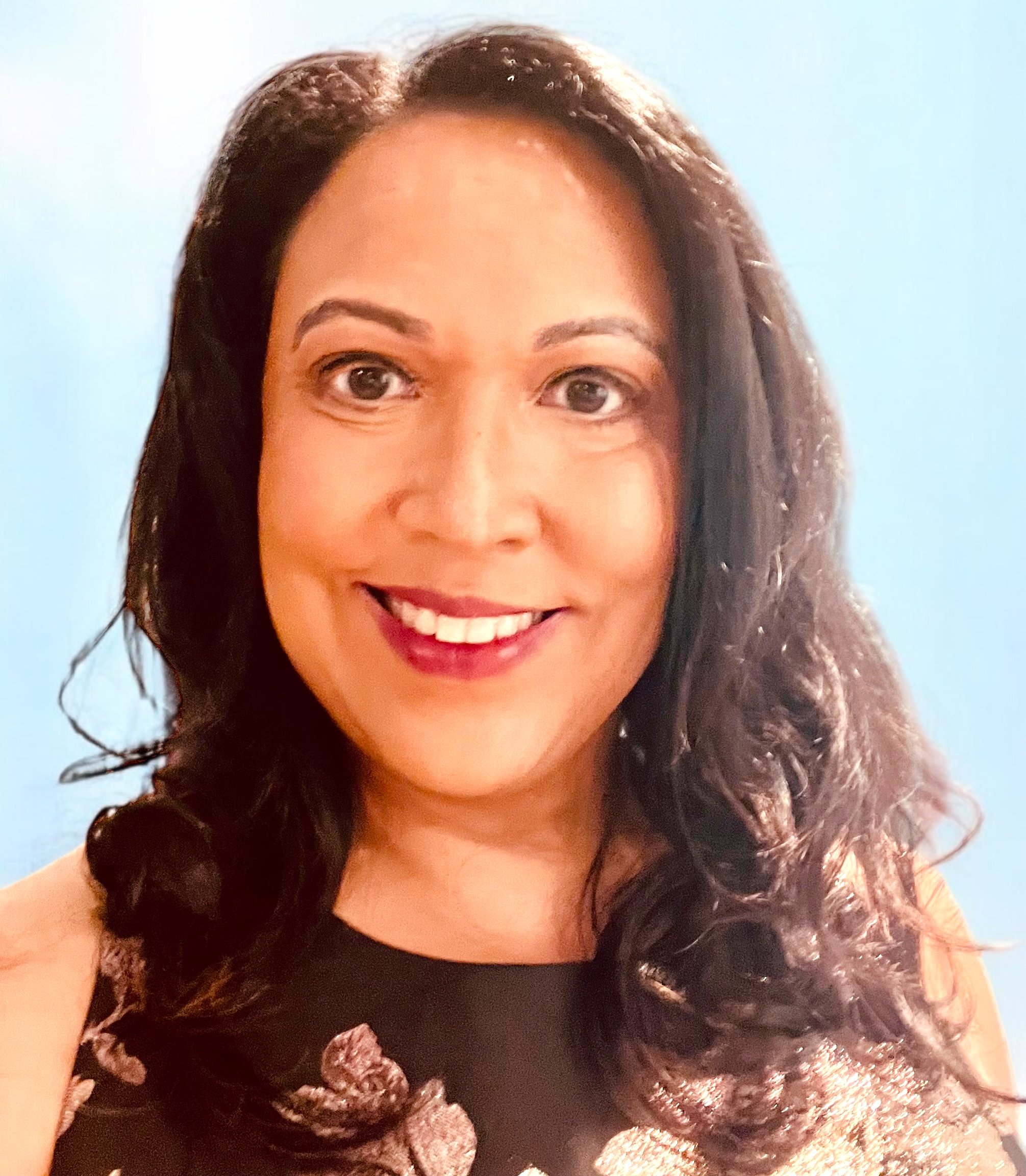
About the Author
Samantha Harrykissoon brings over 15 years of experience as a policy analyst, lawyer, strategic communicator, and project manager, with a career spanning public health, financial planning, and government affairs. Yet her most transformative lessons have come from personal loss.
After the death of her beloved spouse, Samantha faced not only profound grief but also the overwhelming administrative burdens that follow—navigating estate matters, closing accounts, managing insurance claims, updating legal documents, and making complex financial decisions while in shock. The experience revealed how little support exists for the practical side of loss.
Grounded in resilience, kindness, and a deep appreciation for everyday moments, Samantha created GoldStar as part of her healing journey—a space to support others, foster connection, and move forward with honesty and hope.
