
By Kelly Edmondson

Two small urns rest on a shelf in my home under a framed picture of my son and me.
Words are etched on their surfaces: words I couldn’t say out loud for months and even years. “Your wings were ready, my heart was not.” And “God has you in His arms; I have you in my heart.”
They’re mini urns on purpose. I can carry Darius with me wherever I go. Spread his ashes along the beaches he never made it to visit. Leave pieces of him all over the world he was supposed to see.
I don’t hide them when guests come over. In fact, I don’t move them. Grief doesn’t move. It exists whether you acknowledge it or not.
My son Darius Torrence was born December 25, 1994. He died January 3, 2023. He was 28 years old.
When his life ended suddenly from epilepsy, I made a promise that I would never let his legacy end there.
I’m no stranger to comebacks. I became a mother as a teenager and by the age of 25, I was a divorced mother of three. I’ve been homeless. I’ve been a part of relationships that made me believe I was less than I knew myself to be just because the person bending my truth told me so. Through it all I built my way out. Two masters degrees. Registered nurse. Healthcare executive.
To someone looking from the outside in, it was a collection of comebacks. To me, it always felt like just trying to survive.
Throughout my career, I spent a lot of time working in environments where death and life existed side-by-side. I spent years in trauma and emergency care. I had to deliver far too many difficult messages. I sat with families during the worst days of their lives, and learned how to be okay in crisis. How to sit with the pain of loss and hold it without turning away.
I sat with grieving parents. More days than I can now count.
But there’s nothing that prepares you for the moment when you cross that threshold. You go from delivering the news to being the one receiving it. From holding other moms in your arms to wishing someone would hold you. From the professional doing the bedside visits to the grieving mother who needs someone to sit alongside her.
There’s no training for the moment you realize you’re no longer on the outside looking in. You are the grief now. You are the mom that needs support.
Then Darius died.
The world reacted how it always does in times of loss. People showed up. Meals were brought. Flowers delivered. Soft whispers and sorrowful condolences filled my home. And then, like gravity, they slowly drifted back to their normal lives.
It’s not because they didn’t care. It’s because they didn’t know what to do next.
Grief isn’t marked by the moment of loss. Losing someone doesn’t just happen on that day. Sure, that day will forever change the trajectory of your life. But grief consumes the days that follow.
It’s the stillness. The mundane moments that once brought you comfort, but now remind you of what you’ve lost. It’s the birthday that comes around whether you’re ready or not. The first Mother’s Day. The holidays. Wedding anniversaries. Triggering dates. Birthdays of those we’ve lost. The unexpected Tuesday grief decides to come for you when you least expect it.
It’s these moments that people show up the least when someone is grieving. Not because people have stopped thinking about that person’s loss. But simply because enough time has passed that it feels awkward to bring it up. And the person suffering loss always notices when people stop showing up.
I needed people to show up for me. Not just once. But over and over. Not with grand gestures that pile on the guilt of more meals and drinks to attend. But by remembering me. Showing up on ordinary days. Saying his name. Asking how I was truly doing. Not disappearing when the world stopped giving excuses to check in.
That’s what changed everything.
Friends and family kept me afloat that first year. But it was the strangers who remembered me months down the road who reminded me I wasn’t alone. Remembered the anniversary of his death. Asked how my birthday was without him. Checked in on holidays and the random Tuesday I needed someone most.
I ended up becoming a certified grief counselor after losing Darius. Not because I had all the answers. Quite the contrary. I needed to understand what I had only been able to study from a clinical standpoint. What I learned changed my entire perspective on how we care for those experiencing loss.
Death hasn’t made me stronger. It’s made me aware of the strength around me. Of what’s really needed in those moments. Of all the things we think we know to say or do that simply don’t compare to just being there—truly being there.
And most of all, I did it because of him. Because my son deserved more than a legacy that ended with ashes in an urn at 28 years old. Because Darius was alive for 28 beautiful years and he was MORE than that day we lost him.
I carry him with me everywhere I go now. In those small urns I mentioned. To the beaches he never got to visit. I carry him with me in my heart when I talk to families navigating pain I once knew too well. In the work I do training nurses to become better caregivers .And most importantly, every time I encourage someone to remember a name and say it out loud.
That’s how I refuse to let my son’s legacy end with ashes in an urn at 28.
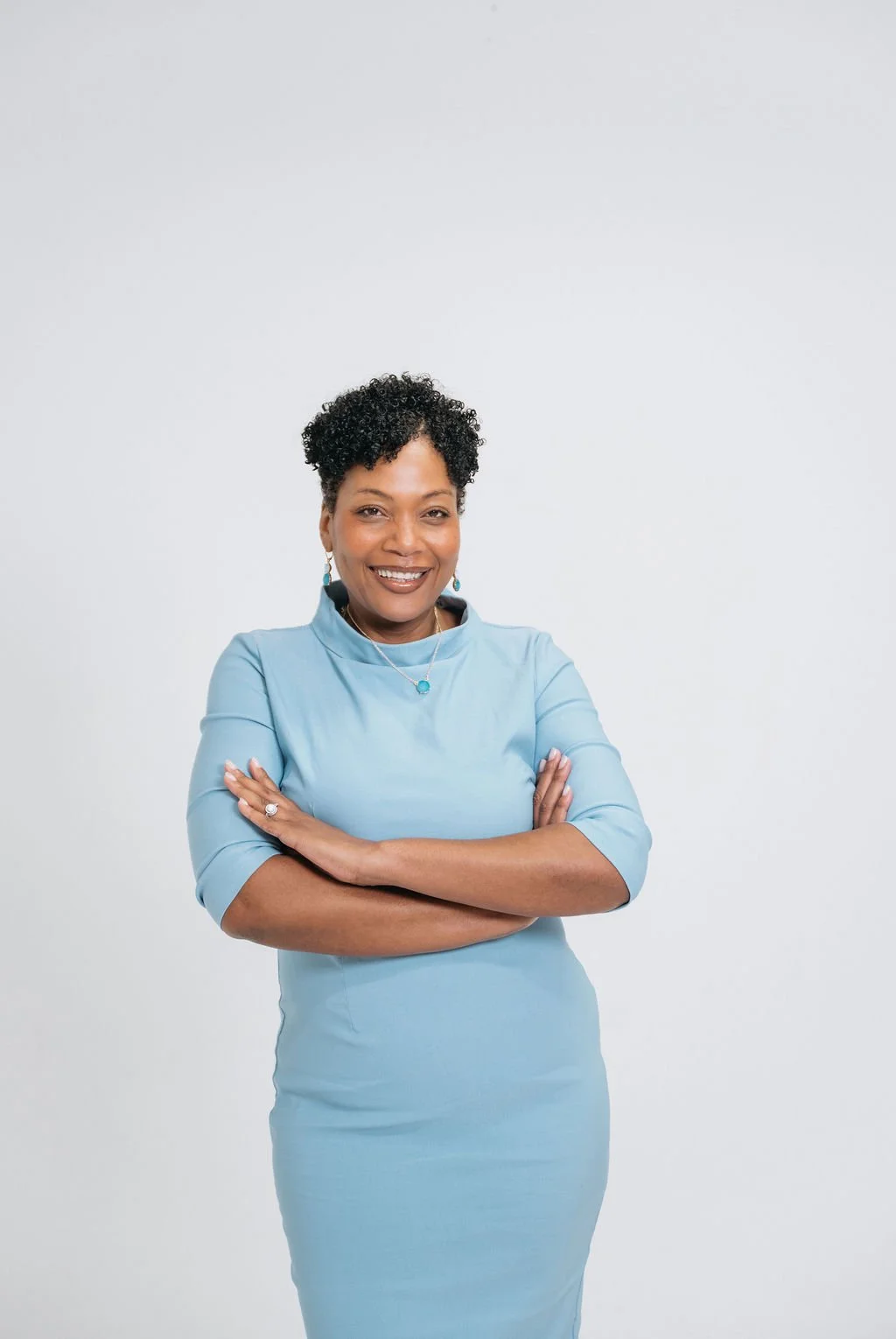
Kelly Edmondson is A Nurse, Bereaved Mother, And Certified Grief Counselor Committed To Transforming How We Support One Another Through Loss.
Her work is rooted in a rare combination of clinical insight, lived experience, and professional training that few in this space can claim.
Kelly began her career as a trauma nurse, caring for patients and families in moments where life changed in an instant. Years later, after the devastating loss of her son, Darius, she experienced firsthand the loneliness that often follows when the world rushes forward but grief does not.
As she navigated her own healing, guided by meaningful grief counseling, she discovered a gap that nearly every bereaved person faces: the early days are flooded with sympathy, but the months that follow — birthdays, anniversaries, holidays, and quiet moments of remembrance — receive little acknowledgment.
She began to understand first-hand that compassion cannot be condensed into a single gesture. It must be sustained, intentional, and present long after the first wave of support has passed.
Share & follow
For any inquiries, please contact:
Year-Long Sympathy & Memorial Gift Collections | Timely Presence
Want to Write for Get Griefy?
We accept timely pieces for Digital on a rolling basis. When submitting, we ask for a $25 donation to the magazine for the time, energy, and tools it takes to keep this publication running for all to utilize at no cost to the user.
We Publish on Substack, our blog, and push out to our thousands of subscribers, and include your bio, links, and create a social media post to accompany your piece.
Content Guidelines
Length: No more than 1,500 words.
Non-sales based: No direct promotion of products or services. Educational CTAs are fine.
Punchy & Engaging: Short paragraphs, strong hooks, scannable format. Punchy taglines are encouraged .
Don’t sand it down to make it palatable: We like it raw here! Bold, Provocative and Daring Grief insights.
Aligned with SBC & Get Griefy Values: Posts should inspire, educate, or share meaningful experiences with our community. Get Griefy is accessible to teens, so please consider the appropriateness of your submissions. Content beyond PG-13 will not be accepted. While we appreciate dark humor and creative expression, all submissions should remain neutral and inclusive, avoiding partisan messaging, or content that could alienate members. Remember, this platform represents the collective voice of our community, and all contributions should honor that shared space.
Suggested Topics
Personal growth stories or lessons learned
Industry insights or trend commentary
How-to guides or actionable tips
Creative reflections or essays
Opinion pieces on relevant issues
Time and culturally relevant topics
Honestly the more niche, the better. Being Vague is boring.
Not Allowed
Hard selling or disguised advertisements
Overly technical or jargon-heavy content without explanation
Long-winded, academic-style essays
Partisan messaging
Editorial Process
Posts will be reviewed for clarity, style, and fit.
Light edits may be made
Most submissions are accepted for publishing if you meet these requirements
