
Pregnancy and Infant Loss Awareness Month
Honoring Every Baby and Supporting Grieving Parents
By Liz Quinn
Remembering Babies Gone Too Soon
October carries a weight and tenderness that’s hard to explain unless you’ve lived it. It’s Pregnancy and Infant Loss Awareness Month—a time to remember babies who left us too soon, to break the silence around these losses, and to remind grieving parents that they are not alone. For me, it’s a month I think of my daughter, Alivia, and the many other babies gone too soon. Even though their lives were brief, their impact is lasting, and the love we carry for them never fades.
Understanding Pregnancy and Infant Loss
Pregnancy and infant loss is more common than most people realize. Miscarriage, stillbirth, and infant loss affect thousands of families each year, yet these experiences are rarely discussed openly. Miscarriage, loss before 20 weeks, occurs in roughly one in four pregnancies. Stillbirth, the loss of a baby after 20 weeks, touches thousands more families annually, leaving parents to navigate grief alongside medical realities and routines. Infant loss, the death of a baby within the first year, often comes unexpectedly, taking away the chance to celebrate first steps, birthdays, and everyday milestones. Even though these losses are common, grief can feel isolating, especially because it’s rarely spoken about.
These losses are not just statistics, they are deeply personal experiences. They change how parents see the world, themselves, and their families. The pain is raw, unrelenting, and often invisible to those around them. Losing Alivia changed everything for me. The milestones I imagined, the dreams I held, the everyday joys I hoped to share, all disappeared in an instant. And yet, the love I carry for her has only grown. It is this love that makes acknowledgment so vital.
Breaking the Silence
One of the hardest parts of pregnancy and infant loss is the silence. People want to help but often don’t know what to say, so they say nothing—or sometimes say things they think will comfort, like “at least you could get pregnant.” For a parent grieving a baby like my daughter Alivia, those words can sting, because they dismiss the very real pain of loss. Silence or misguided comments can feel isolating, as if the life that was loved and hoped for never mattered. Saying a baby’s name, offering a listening ear, or simply validating grief can make a profound difference. Even small gestures—sending a note, remembering a due date or birthday, sharing a memory—show that love and life are recognized. Acknowledgment does not “fix” grief. It cannot. But it connects us, reminds parents that their loss is seen, and holds their grief with compassion
Ways to Honor and Remember
Honoring babies after loss can take many forms, and there is no right or wrong way. Some parents light candles during the Wave of Light on October 15th, joining a global network of remembrance.I light a candle every year for Alivia.
Other parents and families write letters, plant trees, create memory books, or participate in art projects. For many, speaking a baby’s name aloud is a simple but powerful act. Even when grief feels private, public acknowledgment matters. Sharing stories, posting a baby’s name, or participating in remembrance activities connects parents to others who understand, reminding families that they are not alone—and that their babies are remembered and celebrated.
Living With Grief
Grief does not follow a timeline. It does not fade neatly with the passing of weeks or months. Parents learn to carry grief alongside daily life, finding ways to balance love, sorrow, and hope. Some days, grief feels all-consuming. Other days, it lingers quietly in the background. Both are real. Both are valid. Many parents experience grief alongside joy. They can laugh, celebrate, and love their living children while still holding the absence of the one they lost. This duality is normal—it is love and longing existing side by side.
Triggers can bring grief rushing back, often unexpectedly. A song, a commercial, a pregnancy announcement, or even a gentle breeze can suddenly reopen the heartache. Allowing these feelings, rather than pushing them away, is part of the ongoing journey of processing loss. Personally, there are moments when I am swept back to the early days with Alivia—seeing her name in a baby book, passing a stroller in the store, hearing a lullaby on the radio. Those moments bring tears, but also remembrance and connection. They remind me that she mattered, and that the grief I carry is intertwined with love.
Supporting Grieving Parents
Supporting someone through pregnancy or infant loss isn’t about saying the perfect thing—it’s about presence, acknowledgment, and compassion. Using a baby’s name, listening without judgment, and remembering important dates can mean the world. Including parents in life without pressure, and continuing to honor their grief over time, creates connection and helps them feel seen. Even small gestures—a shared meal, a thoughtful message, a quiet moment of acknowledgment—can reassure parents that their grief is valid and that their baby is remembered.
Why Awareness Matters
Pregnancy and Infant Loss Awareness Month is about more than acknowledgement. It is about building community, creating understanding, and fostering compassion. Awareness breaks the silence that surrounds grief and encourages parents to share their stories without fear of judgment. For those who haven’t experienced this type of loss, it is a chance to reflect, learn, and empathize. For parents, it is a reminder that grief is valid, love does not vanish, and they are not alone in carrying their babies’ memories.
Connection Through Story
Hearing and sharing stories of pregnancy and infant loss creates connection. When we speak names, share experiences, and acknowledge grief, we build community. Parents feel less isolated, friends and family learn how to support them, and the babies who are no longer physically here are celebrated, remembered, and honored. Remembering Alivia is part of this process for me. She is one of many babies gone too soon, and speaking her name alongside others reminds me that our love and grief are shared. These stories remind us that no loss exists in isolation—and that every baby’s life, however brief, matters.
Carrying Love Forward
Grief changes the way we love. It stretches our hearts, teaches resilience, empathy, and patience. Loving a baby who has passed does not end with their death—it continues through memory, acknowledgment, and storytelling. Parents carry their babies with them, in their hearts, in the lives of siblings, and in the rituals and remembrance practices that keep memory alive. Pregnancy and Infant Loss Awareness Month is a reminder to honor that love. It is a call to break the silence, speak the names of babies gone too soon, and support grieving parents in meaningful, compassionate, lasting ways.
Because every baby matters. Every story matters. And every grieving parent deserves to be seen, heard, and held in love. This October, let us remember together, connect through grief, and honor the lives that have left a permanent mark on the world. For me, it’s Alivia. For you, it might be another precious name. Whoever they are, wherever they are, they matter. Always.
About the Contributor
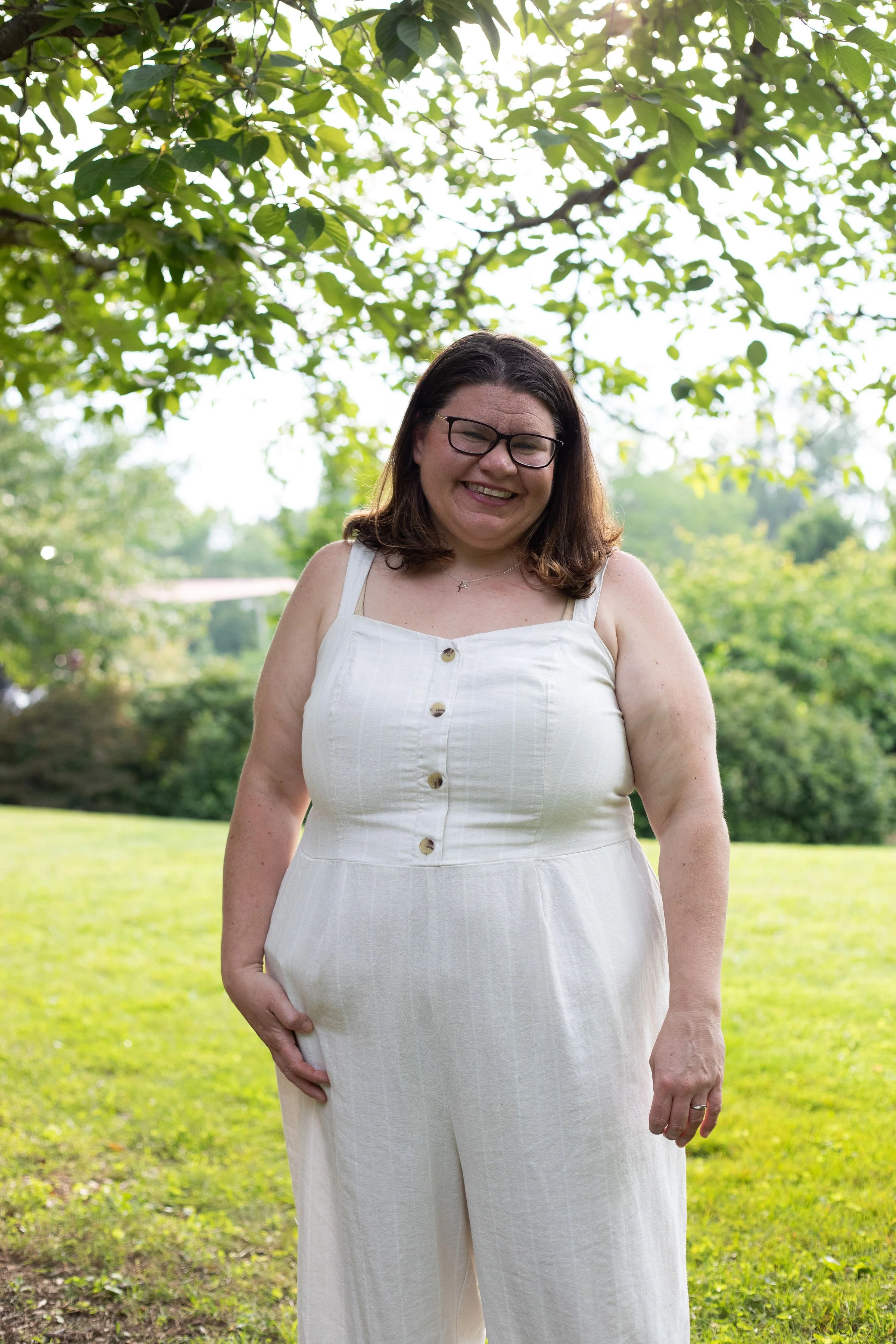
Liz Quinn is the host of Healing Hearts Podcast, where she shares stories of love, loss, and hope, creating a space for those navigating grief to feel seen and supported. She is an author in Stories of Friends and Family Lost and The Art of Letting Go, and her upcoming book, Held in Our Hearts, is written for loss moms and their families, offering comfort, connection, and a way to honor babies gone too soon. Liz’s work is deeply personal, shaped by her own experiences with loss. Through her writing and podcasting, she seeks to provide understanding, reflection, and healing, reminding others that even in the hardest moments, love endures and stories matter.
Want to Write for Get Griefy?
We accept timely pieces for Digital on a rolling basis. When submitting, we ask for a $25 donation to the magazine for the time, energy, and tools it takes to keep this publication running for all to utilize at no cost to the user.
We Publish on Substack, our blog, and push out to our thousands of subscribers, and include your bio, links, and create a social media post to accompany your piece.
Content Guidelines
Length: No more than 1,500 words.
Non-sales based: No direct promotion of products or services. Educational CTAs are fine.
Punchy & Engaging: Short paragraphs, strong hooks, scannable format. Punchy taglines are encouraged .
Don’t sand it down to make it palatable: We like it raw here! Bold, Provocative and Daring Grief insights.
Aligned with SBC & Get Griefy Values: Posts should inspire, educate, or share meaningful experiences with our community. Get Griefy is accessible to teens, so please consider the appropriateness of your submissions. Content beyond PG-13 will not be accepted. While we appreciate dark humor and creative expression, all submissions should remain neutral and inclusive, avoiding partisan messaging, or content that could alienate members. Remember, this platform represents the collective voice of our community, and all contributions should honor that shared space.
Suggested Topics
Personal growth stories or lessons learned
Industry insights or trend commentary
How-to guides or actionable tips
Creative reflections or essays
Opinion pieces on relevant issues
Time and culturally relevant topics
Honestly the more niche, the better. Being Vague is boring.
Not Allowed
Hard selling or disguised advertisements
Overly technical or jargon-heavy content without explanation
Long-winded, academic-style essays
Partisan messaging
Editorial Process
Posts will be reviewed for clarity, style, and fit.
Light edits may be made
Most submissions are accepted for publishing if you meet these requirements
