
Treading Water
My Journey Through Compounded and Delayed Grief
By: Erin Blechman
Grief is like treading water, and I’ve been treading water for the past 12 years.
It began when our eldest son, Max, went away to college. Within six weeks, he was hospitalized for the first time with suicidal ideation. He withdrew from school out of state, came home, and continued to get sicker. He was diagnosed with medication-resistant major depressive disorder in 2013 and epilepsy in 2014. Over the next several years, he struggled to control his seizures and was hospitalized repeatedly, sometimes due to injuries from a seizure, sometimes from accidents, and often for suicidal ideation. He ultimately died by suicide in June 2020.
During those years, my parents’ health also began a steep decline. My father was diagnosed with early-stage dementia in 2014, which steadily progressed until his death in June 2025. My mother, who had battled physical ailments most of her adult life, grew weaker until she eventually needed a wheelchair. She became a bitter and difficult woman, and she passed away in November 2023.
After Max died, I thought grief would drown me. The darkness was so intense and consuming that I honestly wasn’t sure I could survive it, or if I even wanted to. I remember thinking, When is this pain going to end?!
I tried almost anything to feel better, some things productive and some not. Eventually, with a lot of work, therapy, support groups, medication, exercise, friends, and family, I began to emerge from that devastating cloud of grief.
In the first two years after losing Max, I poured myself into writing and publishing a book about him and his loss. Honestly, it was the reason I got out of bed each morning, it gave me purpose. After the book was published, I became a certified Grief Educator, offering online grief groups for bereaved parents and speaking to raise awareness about mental illness, suicide loss, and grief. Again, this work became my purpose.
All the while, though, I was dealing with aging, sick, and difficult parents, navigating all the challenges their illnesses brought. I often felt like I was hanging on by a thread.
When my mom died in November 2023, just weeks before our younger son Sam’s wedding, I barely grieved her absence. The wedding consumed my attention, and honestly, the overwhelming emotion I felt was relief. Relief that she was no longer suffering. Relief that she was reunited with her parents, and with our Max. Relief that I no longer had to carry the heavy weight of our fractured relationship.
When my father passed away in June 2025, the relief came again. His dementia had become so extreme that he no longer recognized us. He couldn’t dress, bathe, or use the bathroom alone. It was excruciating to watch him disappear little by little. In his last six months, he was discharged from one Memory Care facility for behavioral issues related to dementia (that’s a story for another time), moved to another, required 24-hour supervision, and incurred astronomical care bills. By the end, relief was my strongest emotion.
Only now do I feel myself beginning to process my grief for these three losses. After so many years of being hypervigilant, my body and brain are finally able to recognize, acknowledge, and release the pain.
I no longer need to tread water. I can swim to shore and rest.
Experts would call what I’ve described compounded grief, grief caused by multiple losses in a relatively short period of time. They would also call this delayed grief, grief that isn’t fully processed because responsibilities or circumstances prevent it. Delayed grief surfaces when we finally feel safe enough to face the emotions.
After my mom died in 2023, my lack of grief surprised me. I assumed it was because losing a parent is more common than losing a child. It’s the “natural order” of life, so I thought my feelings were simply less intense than my grief over losing Max.
Now I see that, at a subconscious level, I suppressed my grief because my time and energy were required elsewhere. The brain is fascinating in the ways it protects us.
So now, as grief over my sweet Max, my mom, and my dad resurfaces, I need to acknowledge those emotions, sit with them, not judge them, and let them move through me. Suppressing feelings doesn’t work in the long run. As experts say, “What gets suppressed, gets expressed,” often in unhealthy ways.
That means I need to return to the tools that helped me after losing Max: journaling to process and name my feelings; practicing self-care through prayer, meditation, breathwork, intentional movement, and other creative outlets; and continuing therapy, both individually and with my husband.
My grief work with other bereaved parents brings deep meaning to my life, but I also know I need to stay healthy myself to truly help others. I pray that by leaning on these tools, I can process not only my loss of Max but also the losses of my parents.
Time alone does not heal all wounds, despite the old saying. But time combined with intentional work can help us grieve more fully and live more fully. That is my prayer for myself, and for anyone who has suffered loss.
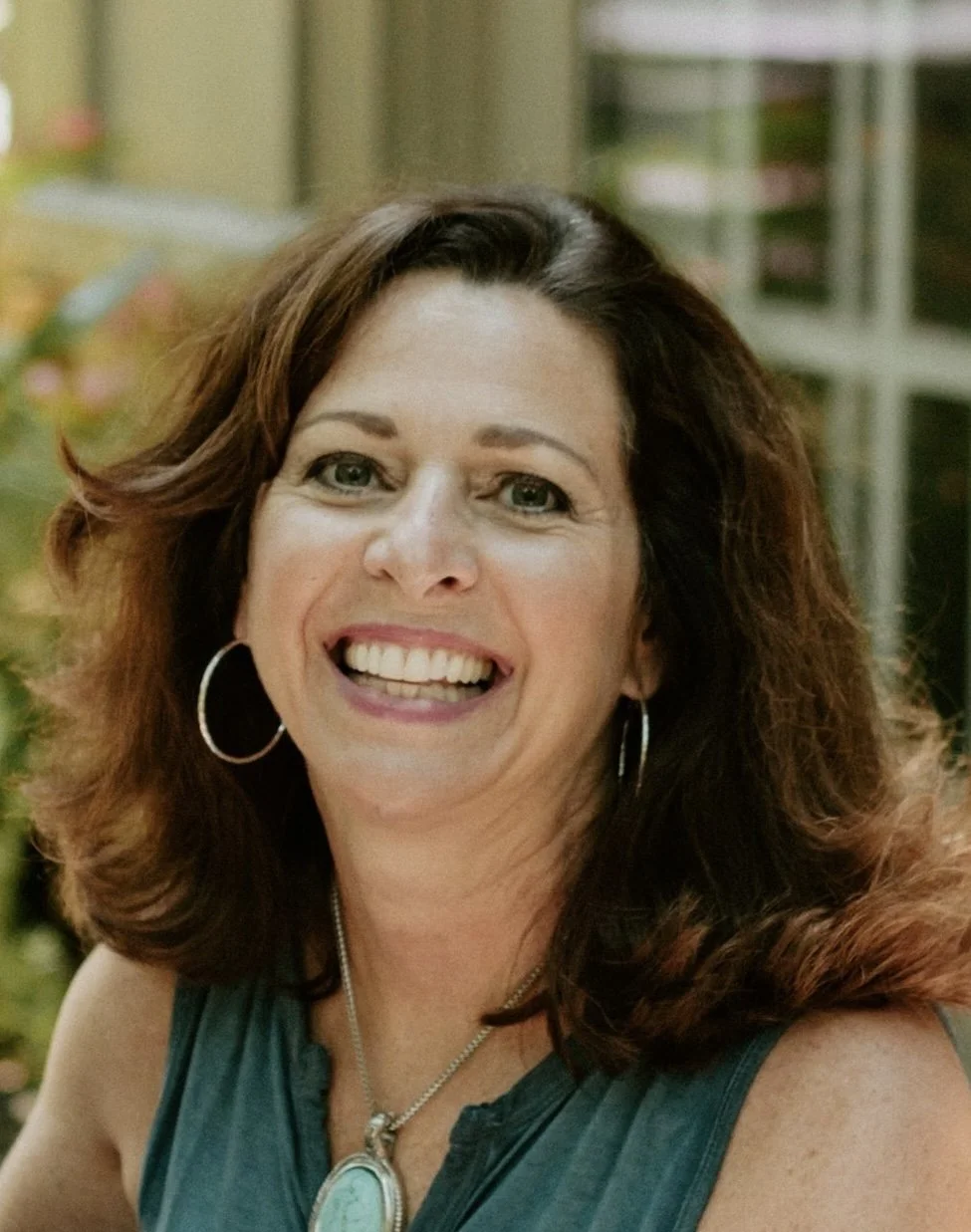
About the Author:
Erin Blechman is an author, speaker, and Certified Grief Educator whose mission is to elevate the conversation around grief and loss, mental illness, and suicide. Her book, My Unexpected Journey: Reflections After Losing My Son to Suicide, chronicles the eighteen months following the devastating loss of her own beloved son, Max to suicide after his long battle with mental illness. She offers grief support to bereaved parents through online groups and community talks that seek to build greater understanding of mental illness, suicide, loss and grief.
